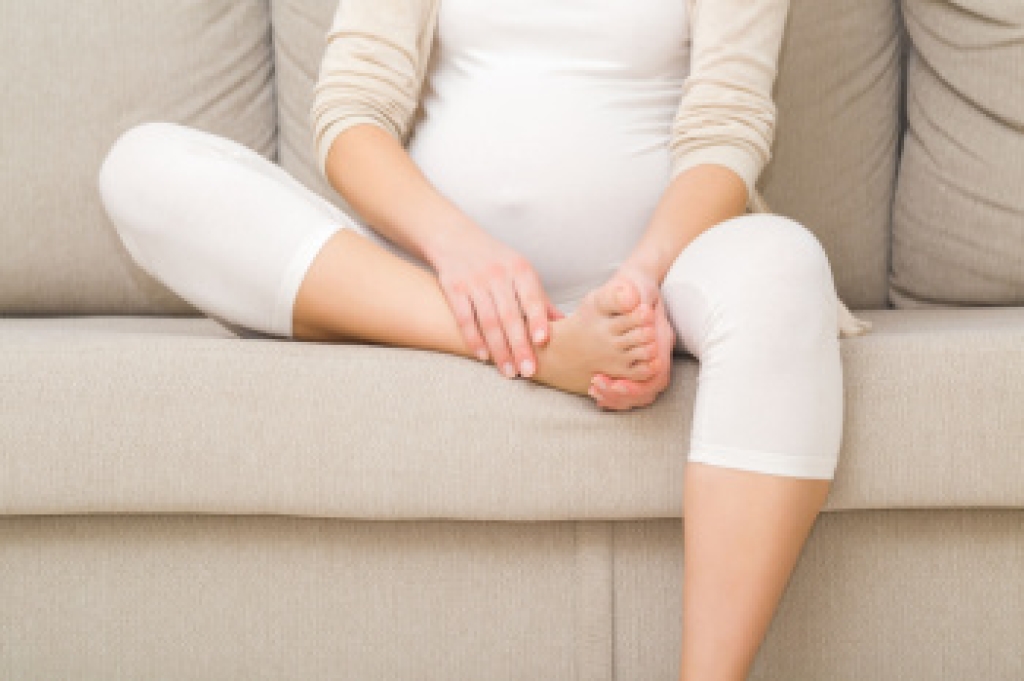
Common Causes of Foot Pain

Foot pain can stem from various underlying issues, often linked to specific areas of the foot or ankle. One common cause of foot pain is Achilles tendinopathy, which involves inflammation or damage to the Achilles tendon, leading to pain, swelling, and difficulty moving the foot. Another issue is tibialis posterior dysfunction, where the tendon that connects the calf to the arch of the foot becomes inflamed, causing arch pain and flatfoot. Plantar fasciitis, a frequent cause, results from damage to the plantar fascia, leading to heel pain, especially after rest. Bursitis, caused by inflammation in fluid-filled sacs that cushion joints, can also lead to pain and swelling in the foot or ankle, often increased by wearing tight footwear. Changes in the arch, whether too high or too low, can affect foot posture and may lead to further complications, including tendon strain and joint pain. If you are experiencing foot pain, it is suggested that you schedule an appointment with a podiatrist for an exam, diagnosis, and treatment options.

Foot Pain

Foot pain can be extremely painful and debilitating. If you have a foot pain, consult with one of our podiatrists  from Foot & Ankle Centers of Charlotte County . Our doctors will assess your condition and provide you with quality foot and ankle treatment.

Causes

Foot pain is a very broad condition that could be caused by one or more ailments. The most common include:

  • Bunions
  • Hammertoes
  • Plantar Fasciitis
  • Bone Spurs
  • Corns
  • Tarsal Tunnel Syndrome
  • Ingrown Toenails
  • Arthritis (such as Gout, Rheumatoid, and Osteoarthritis)
  • Flat Feet
  • Injury (from stress fractures, broken toe, foot, ankle, Achilles tendon ruptures, and sprains)
  • And more

Diagnosis

To figure out the cause of foot pain, podiatrists utilize several different methods. This can range from simple visual inspections and sensation tests to X-rays and MRI scans. Prior medical history, family medical history, and any recent physical traumatic events will all be taken into consideration for a proper diagnosis.

Treatment

Treatment depends upon the cause of the foot pain. Whether it is resting, staying off the foot, or having surgery; podiatrists have a number of treatment options available for foot pain.

If you have any questions, please feel free to contact our offices located in Punta Gorda and Port Charlotte, FL . We offer the newest diagnostic and treatment technologies for all your foot care needs.

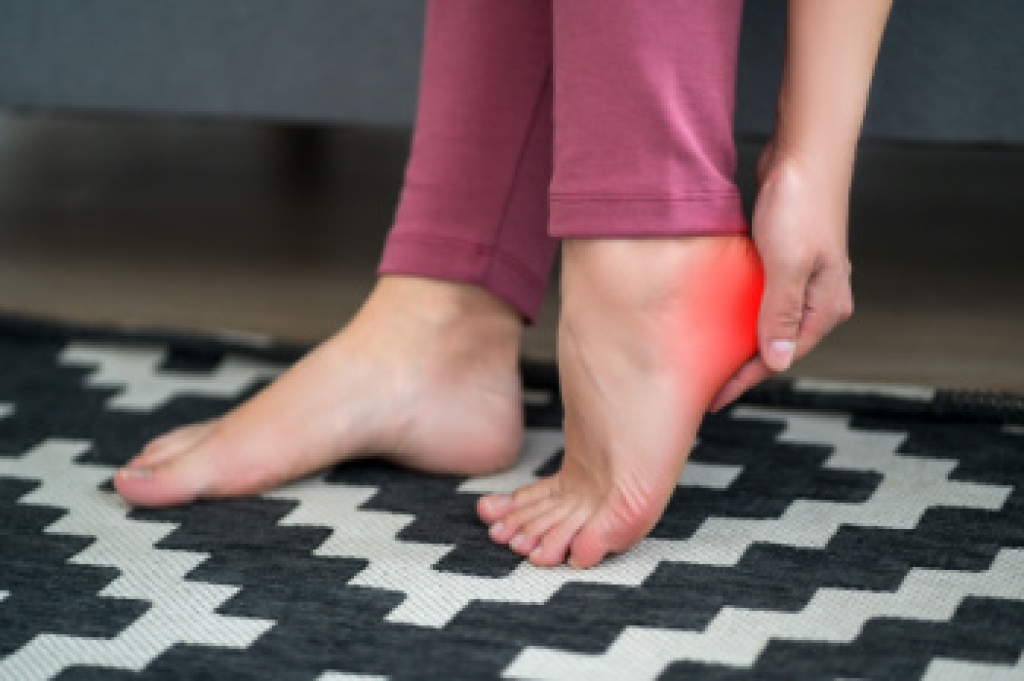
Read more about Foot Pain

Definition and Types of Foot Orthotics

Foot orthotics are custom-designed devices placed inside shoes to provide additional support, improve foot function, and alleviate pain. They are crafted to address various foot issues, from structural imbalances to chronic pain. There are several types of foot orthotics, including functional orthotics that correct alignment and reduce strain, accommodative orthotics that cushion and protect sensitive areas, and custom orthotics tailored to individual foot shapes and conditions. Signs that you may need foot orthotics can include persistent foot pain that does not respond to regular footwear, abnormal gait, frequent discomfort or fatigue in the feet, and visible changes in foot structure like flattened arches. If you are suffering from foot pain, it is strongly suggested that you consult a podiatrist who can determine which type of orthotics is right for you.

Custom orthotics are specialized shoe inserts created to support and align the feet according to each person’s unique structure and walking pattern. They are an effective way to relieve foot discomfort caused by conditions such as flat feet, high arches, plantar fasciitis, bunions, and heel pain. When the natural alignment of the foot is off balance, it can lead to pressure points, strain, and pain that affect how a person stands, walks, and moves. Orthotics work by redistributing weight evenly and supporting the arch to reduce stress on the muscles, tendons, and joints of the feet and lower legs.

Foot discomfort can develop for many reasons, including wearing improper footwear, long hours of standing, repetitive motion, or underlying structural problems. Over time, this discomfort can extend beyond the feet, contributing to knee, hip, or lower back pain. Custom orthotics help correct these issues by improving alignment and promoting more efficient movement. They are made using precise measurements and imaging to ensure the best fit for each patient, providing targeted support and cushioning where it is needed most.

Unlike generic insoles, custom orthotics are durable, medically designed, and tailored to your specific needs. Whether you are managing chronic pain, recovering from an injury, or simply seeking better comfort and stability, orthotics can make a noticeable difference in how your feet feel throughout the day.

If you are experiencing persistent foot discomfort or fatigue, it may be time to have your feet evaluated by a podiatrist. Call our office today for more information or to schedule an appointment.

If you have any questions, please feel free to contact our offices located in Punta Gorda and Port Charlotte, FL

Read more about Investing in Custom Orthotics Means Investing in Foot Health

Foot Injuries From Pickleball on the Rise

As pickleball continues to rise in popularity, so does the incidence of foot injuries among players. This fast-paced sport, which combines elements of tennis, badminton, and ping-pong, involves quick lateral movements, sudden pivots, and constant pressure on the feet, making them vulnerable to various injuries. Common foot injuries in pickleball include plantar fasciitis, Achilles tendonitis, and stress fractures. These injuries are often the result of inadequate footwear, overuse, or insufficient warm-up and stretching before play. Players may also experience ankle sprains from sudden changes in direction, a frequent occurrence in the game. Preventing foot injuries in pickleball starts with wearing proper court shoes that offer good support and cushioning. Regular stretching exercises, particularly focusing on the calves and Achilles tendon, can also help. Additionally, gradually increasing play intensity and taking rest days can reduce the risk of overuse injuries. If you enjoy pickleball but have incurred a foot injury, it is suggested that you schedule an appointment with a podiatrist for a proper diagnosis and treatment.

Sports related foot and ankle injuries require proper treatment before players can go back to their regular routines. For more information, contact one of our podiatrists of Foot & Ankle Centers of Charlotte County . Our doctors can provide the care you need to keep you pain-free and on your feet.

Sports Related Foot and Ankle Injuries

Foot and ankle injuries are a common occurrence when it comes to athletes of any sport. While many athletes dismiss the initial aches and pains, the truth is that ignoring potential foot and ankle injuries can lead to serious problems. As athletes continue to place pressure and strain the area further, a mild injury can turn into something as serious as a rupture and may lead to a permanent disability. There are many factors that contribute to sports related foot and ankle injuries, which include failure to warm up properly, not providing support or wearing bad footwear. Common injuries and conditions athletes face, including:

  • Plantar Fasciitis
  • Achilles Tendinitis
  • Achilles Tendon Rupture
  • Ankle Sprains

Sports related injuries are commonly treated using the RICE method. This includes rest, applying ice to the injured area, compression and elevating the ankle. More serious sprains and injuries may require surgery, which could include arthroscopic and reconstructive surgery. Rehabilitation and therapy may also be required in order to get any recovering athlete to become fully functional again. Any unusual aches and pains an athlete sustains must be evaluated by a licensed, reputable medical professional.

If you have any questions please contact our offices located in Punta Gorda and Port Charlotte, FL . We offer the newest diagnostic and treatment technologies for all your foot and ankle needs.

Read more about Sports Related Foot And Ankle Injuries

Recognizing the Early Signs of Bunions

Early signs of bunion formation often begin subtly, with symptoms such as redness, swelling, and tenderness surronding the base of the big toe. As the bunion progresses, the big toe may start to lean toward the other toes, creating a visible bump on the side of the foot. Over time, you might also notice thickened skin or calluses developing due to the increased pressure on the affected area. Simple adjustments like avoiding wearing ill-fitting shoes and high heels, while opting for wide, comfortable, soft-soled shoes, can help to manage symptoms. A podiatrist may recommend placing spacers between the toes to prevent rubbing, covering the bunion with pads, and stretching calf muscles to improve joint alignment. This foot doctor also may prescribe orthotic devices to slow the progression of the bunion and improve your foot health. If you believe a bunion is forming on your toe, it is suggested that you schedule an appointment with a podiatrist for an evaluation and proactive treatment options.

If you are suffering from bunion pain, contact one of our podiatrists of Foot & Ankle Centers of Charlotte County . Our doctors can provide the care you need to keep you pain-free and on your feet.

What Is a Bunion?

Bunions are painful bony bumps that usually develop on the inside of the foot at the joint of the big toe. As the deformity increases over time, it may become painful to walk and wear shoes. Women are more likely to exacerbate existing bunions since they often wear tight, narrow shoes that shift their toes together. Bunion pain can be relieved by wearing wider shoes with enough room for the toes.

Causes

  • Genetics – some people inherit feet that are more prone to bunion development
  • Inflammatory Conditions - rheumatoid arthritis and polio may cause bunion development

Symptoms

  • Redness and inflammation
  • Pain and tenderness
  • Callus or corns on the bump
  • Restricted motion in the big toe

In order to diagnose your bunion, your podiatrist may ask about your medical history, symptoms, and general health. Your doctor might also order an x-ray to take a closer look at your feet. Nonsurgical treatment options include orthotics, padding, icing, changes in footwear, and medication. If nonsurgical treatments don’t alleviate your bunion pain, surgery may be necessary.

If you have any questions, please feel free to contact our offices located in Punta Gorda and Port Charlotte, FL . We offer the newest diagnostic and treatment technologies for all your foot care needs.

Read more about What Are Bunions?

Heel Spur Information

A heel spur is a bony growth that forms on the underside of the heel bone, often causing significant discomfort. This condition typically arises from repetitive stress or strain on the foot, which can lead to inflammation of the plantar fascia, the ligament that supports the arch. Risk factors can include obesity, prolonged standing, improper footwear, and activities that put excessive pressure on the feet. The main symptom is sharp, stabbing pain in the heel, particularly during the first steps in the morning or after periods of rest. To prevent heel spurs, it is essential to wear supportive shoes, maintain a healthy weight, and avoid excessive strain on the feet. Stretching exercises for the Achilles tendon and the plantar fascia can also help reduce the risk of developing this condition. If you have heel pain, it is suggested that you promptly schedule an appointment with a podiatrist who can accurately diagnose and treat heel spurs.

Heel spurs can be incredibly painful and sometimes may make you unable to participate in physical activities. To get medical care for your heel spurs, contact one of our podiatrists from Foot & Ankle Centers of Charlotte County . Our doctors will do everything possible to treat your condition.

Heels Spurs

Heel spurs are formed by calcium deposits on the back of the foot where the heel is. This can also be caused by small fragments of bone breaking off one section of the foot, attaching onto the back of the foot. Heel spurs can also be bone growth on the back of the foot and may grow in the direction of the arch of the foot.

Older individuals usually suffer from heel spurs and pain sometimes intensifies with age. One of the main condition's spurs are related to is plantar fasciitis.

Pain

The pain associated with spurs is often because of weight placed on the feet. When someone is walking, their entire weight is concentrated on the feet. Bone spurs then have the tendency to affect other bones and tissues around the foot. As the pain continues, the feet will become tender and sensitive over time.

Treatments

There are many ways to treat heel spurs. If one is suffering from heel spurs in conjunction with pain, there are several methods for healing. Medication, surgery, and herbal care are some options.

If you have any questions, please feel free to contact our offices located in Punta Gorda and Port Charlotte, FL . We offer the newest diagnostic and treatment technologies for all your foot care needs.
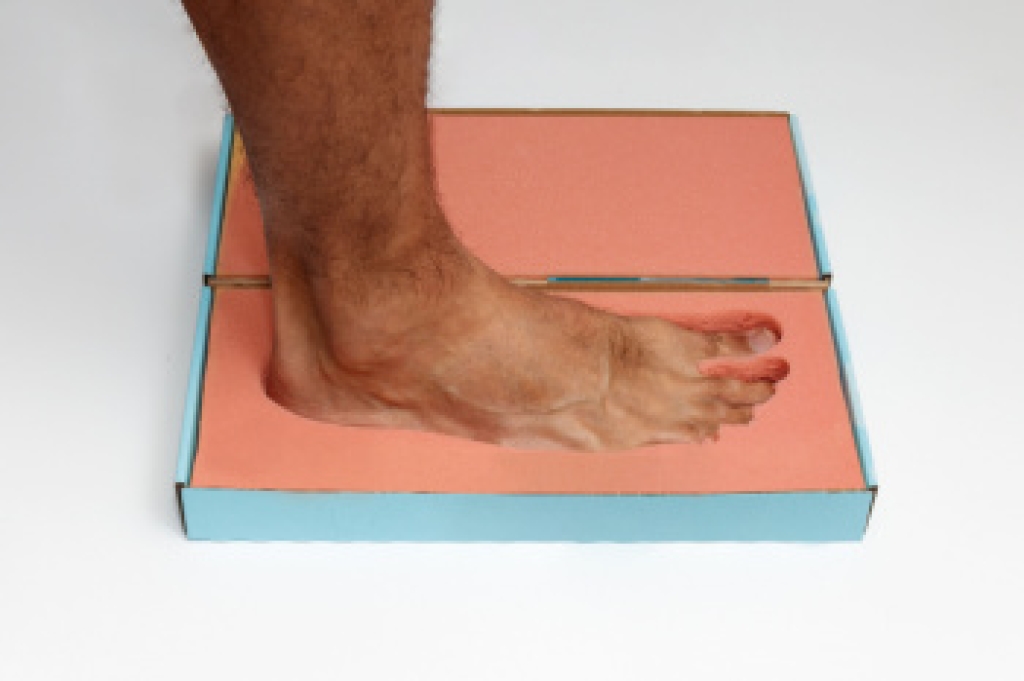
Read more about Heel Spurs

Connect With Us