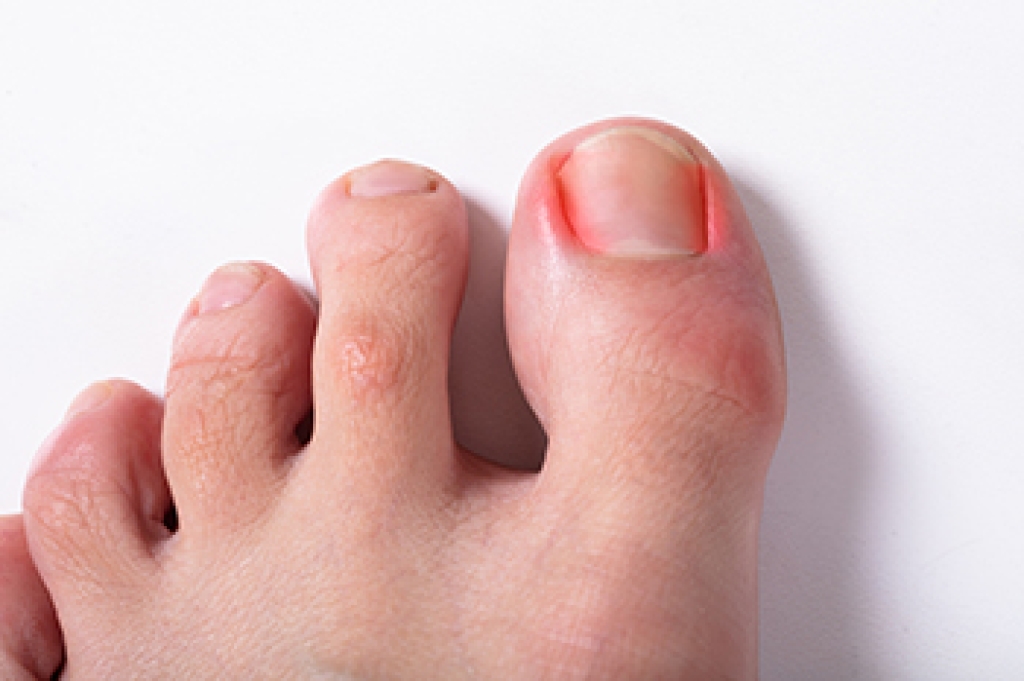
How to Know if You Have an Ingrown Toenail

You probably have an ingrown toenail (onychocryptosis) if the edge of your toenail grows into the skin of your toe. The area around the nail will likely be red and painful because it is irritated. If it progresses to infection, the skin might bulge around the nail and pus, or a clear fluid can be present. It stands to reason that the longer this condition is left untreated, the more likely it is to become infected. Ingrown toenails may be caused by wearing shoes that crowd the toenails, improper cutting of toenails, injury to the toenail, or toenails that are unusually curved. If you suspect you have an ingrown toenail or any other foot discomfort, you should visit a podiatrist for proper diagnosis and treatment.

Ingrown toenails can become painful if they are not treated properly. For more information about ingrown toenails, contact one of our podiatrists of Foot & Ankle Centers of Charlotte County . Our doctors can provide the care you need to keep you pain-free and on your feet.

Ingrown Toenails

Ingrown toenails occur when a toenail grows sideways into the bed of the nail, causing pain, swelling, and possibly infection.

Causes

  • Bacterial infections
  • Improper nail cutting such as cutting it too short or not straight across
  • Trauma to the toe, such as stubbing, which causes the nail to grow back irregularly
  • Ill-fitting shoes that bunch the toes too close together
  • Genetic predisposition

Prevention

Because ingrown toenails are not something found outside of shoe-wearing cultures, going barefoot as often as possible will decrease the likeliness of developing ingrown toenails. Wearing proper fitting shoes and using proper cutting techniques will also help decrease your risk of developing ingrown toenails.

Treatment

Ingrown toenails are a very treatable foot condition. In minor cases, soaking the affected area in salt or antibacterial soaps will not only help with the ingrown nail itself, but also help prevent any infections from occurring. In more severe cases, surgery is an option. In either case, speaking to your podiatrist about this condition will help you get a better understanding of specific treatment options that are right for you.

If you have any questions, please feel free to contact our offices located in Punta Gorda and Port Charlotte, FL . We offer the newest diagnostic and treatment technologies for all your foot care needs.
Read more about Ingrown Toenail Care

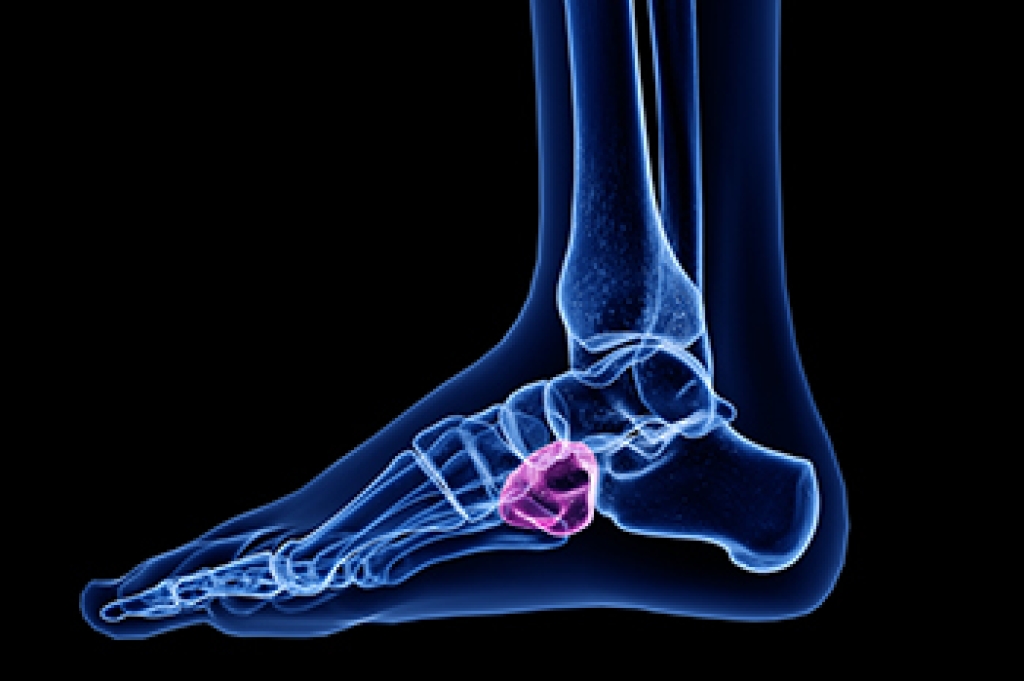
How Does Cuboid Syndrome Develop?

Cuboid syndrome is a foot condition that affects the cuboid bone, which is one of seven tarsal bones that are located in the middle of the foot. Additionally, it can be referred to as cuboid subluxation, and it may develop after a joint or ligament injury. Patients with cuboid syndrome can experience limping, swelling, and tenderness in the affected foot. While research has indicated that trauma to the foot is the most common cause of cuboid syndrome, some patients have overpronation or underpronation, which can lead to an increase in the risk of injury. This condition may also happen gradually, as the foot can endure stress a day at a time. Relief may come from resting the foot as often as possible, and it can help to wear proper shoes. If you have pain in your foot, it is suggested that you consult with a podiatrist who can perform proper testing for cuboid syndrome and offer correct treatment options.

Cuboid syndrome, also known as cuboid subluxation, occurs when the joints and ligaments near the cuboid bone in the foot become torn. If you have cuboid syndrome, consult with one of our podiatrists  from Foot & Ankle Centers of Charlotte County . Our doctors will assess your condition and provide you with quality foot and ankle treatment.

Cuboid syndrome is a common cause of lateral foot pain, which is pain on the outside of the foot. The condition may happen suddenly due to an ankle sprain, or it may develop slowly overtime from repetitive tension through the bone and surrounding structures.

Causes

The most common causes of cuboid syndrome include:

  • Injury – The most common cause of this ailment is an ankle sprain.
  • Repetitive Strain – Tension placed through the peroneus longus muscle from repetitive activities such as jumping and running may cause excessive traction on the bone causing it to sublux.
  • Altered Foot Biomechanics – Most people suffering from cuboid subluxation have flat feet.

Symptoms

A common symptom of cuboid syndrome is pain along the outside of the foot which can be felt in the ankle and toes. This pain may create walking difficulties and may cause those with the condition to walk with a limp.

Diagnosis

Diagnosis of cuboid syndrome is often difficult, and it is often misdiagnosed. X-rays, MRIs and CT scans often fail to properly show the cuboid subluxation. Although there isn’t a specific test used to diagnose cuboid syndrome, your podiatrist will usually check if pain is felt while pressing firmly on the cuboid bone of your foot.

Treatment

Just as the range of causes varies widely, so do treatments. Some more common treatments are ice therapy, rest, exercise, taping, and orthotics.

If you have any questions, please feel free to contact our offices located in Punta Gorda and Port Charlotte, FL . We offer the newest diagnostic and treatment technologies for all your foot care needs.

Read more about Cuboid Syndrome

Cause and Treatment of Sinus Tarsi Syndrome

If standing or walking for long periods causes a pain on the outside of your ankle, you may have sinus tarsi syndrome. The sinus tarsi is a kind of tunnel between two other foot bones that contains ligaments, muscle, nerves, blood vessels and fat. When it gets pinched, it causes pain in front of and below the pointy bone on the outside of your ankle, which is actually the end of the fibula. Swelling and pain when rotating your foot outward are also symptoms. Sinus tarsi syndrome is common in people who have previously sprained an ankle. Non-operative treatments include stopping the activity that is causing the pain, wearing more comfortable shoes and an ankle brace, taking non-steroidal anti-inflammatory medication, and getting corticosteroid injections. An X-ray or digital imaging test from a podiatrist is suggested for a full examination and diagnosis of your foot and ankle. 

Ankle pain can be caused by a number of problems and may be potentially serious. If you have ankle pain, consult with one of our podiatrists  from Foot & Ankle Centers of Charlotte County . Our doctors will assess your condition and provide you with quality foot and ankle treatment.

Ankle pain is any condition that causes pain in the ankle. Due to the fact that the ankle consists of tendons, muscles, bones, and ligaments, ankle pain can come from a number of different conditions.

Causes

The most common causes of ankle pain include:

  • Types of arthritis (rheumatoid, osteoarthritis, and gout)
  • Ankle sprains
  • Broken ankles
  • Achilles tendonitis
  • Achilles tendon rupture
  • Stress fractures
  • Bursitis
  • Tarsal tunnel syndrome
  • Plantar fasciitis

Symptoms

Symptoms of ankle injury vary based upon the condition. Pain may include general pain and discomfort, swelling, aching, redness, bruising, burning or stabbing sensations, and/or loss of sensation.

Diagnosis

Due to the wide variety of potential causes of ankle pain, podiatrists will utilize a number of different methods to properly diagnose ankle pain. This can include asking for personal and family medical histories and of any recent injuries. Further diagnosis may include sensation tests, a physical examination, and potentially x-rays or other imaging tests.

Treatment

Just as the range of causes varies widely, so do treatments. Some more common treatments are rest, ice packs, keeping pressure off the foot, orthotics and braces, medication for inflammation and pain, and surgery.

If you have any questions please feel free to contact our offices located in Punta Gorda and Port Charlotte, FL . We offer the newest diagnostic tools and technology to treat your foot and ankle needs.

Read more about Ankle Pain

What Is Cellulitis?

Cellulitis is a bacterial infection of the deeper layers of the skin. It can affect any part of the body, but is most frequently seen in the feet. Cellulitis can be contracted by bacteria entering a wound, cut, scrape, or other small openings in the skin. Symptoms of this condition include red, swollen, warm, tender, and painful skin, changes in the texture of the skin (pitting) and blisters. A fever and chills can also accompany this infection. Cellulitis is treated with antibiotics and resting and elevating the affected foot to reduce swelling. Left untreated, cellulitis can cause grave complications. If you notice signs of infection in your feet, please seek the care of a podiatrist as soon as possible.

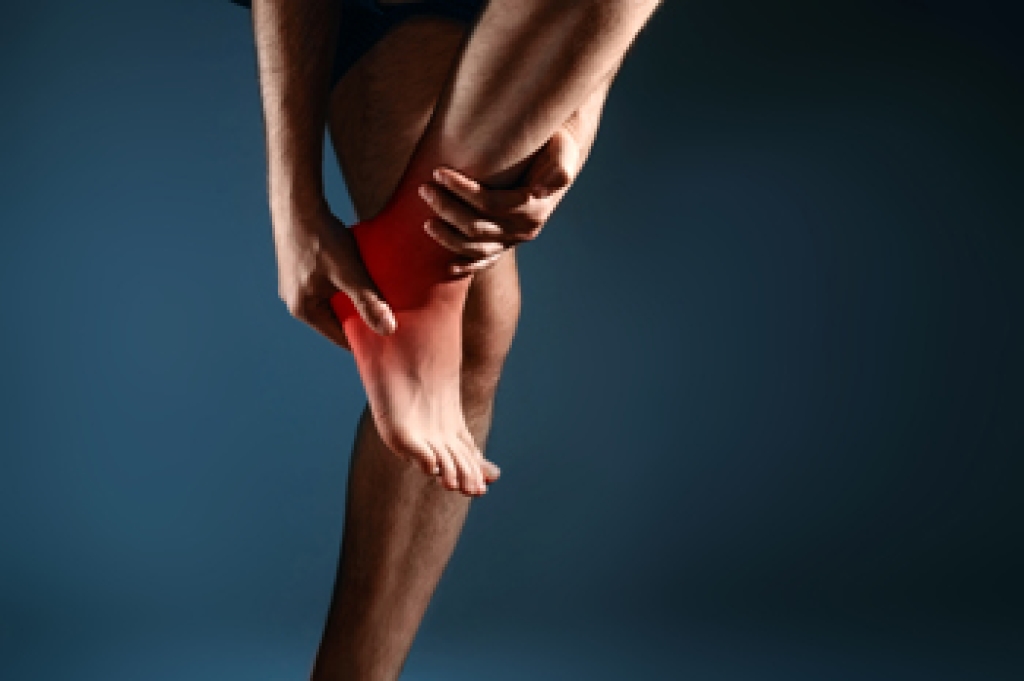
Foot Pain

Foot pain can be extremely painful and debilitating. If you have a foot pain, consult with one of our podiatrists  from Foot & Ankle Centers of Charlotte County . Our doctors will assess your condition and provide you with quality foot and ankle treatment.

Causes

Foot pain is a very broad condition that could be caused by one or more ailments. The most common include:

  • Bunions
  • Hammertoes
  • Plantar Fasciitis
  • Bone Spurs
  • Corns
  • Tarsal Tunnel Syndrome
  • Ingrown Toenails
  • Arthritis (such as Gout, Rheumatoid, and Osteoarthritis)
  • Flat Feet
  • Injury (from stress fractures, broken toe, foot, ankle, Achilles tendon ruptures, and sprains)
  • And more

Diagnosis

To figure out the cause of foot pain, podiatrists utilize several different methods. This can range from simple visual inspections and sensation tests to X-rays and MRI scans. Prior medical history, family medical history, and any recent physical traumatic events will all be taken into consideration for a proper diagnosis.

Treatment

Treatment depends upon the cause of the foot pain. Whether it is resting, staying off the foot, or having surgery; podiatrists have a number of treatment options available for foot pain.

If you have any questions, please feel free to contact our offices located in Punta Gorda and Port Charlotte, FL . We offer the newest diagnostic and treatment technologies for all your foot care needs.
Read more about Foot Pain

Connect With Us