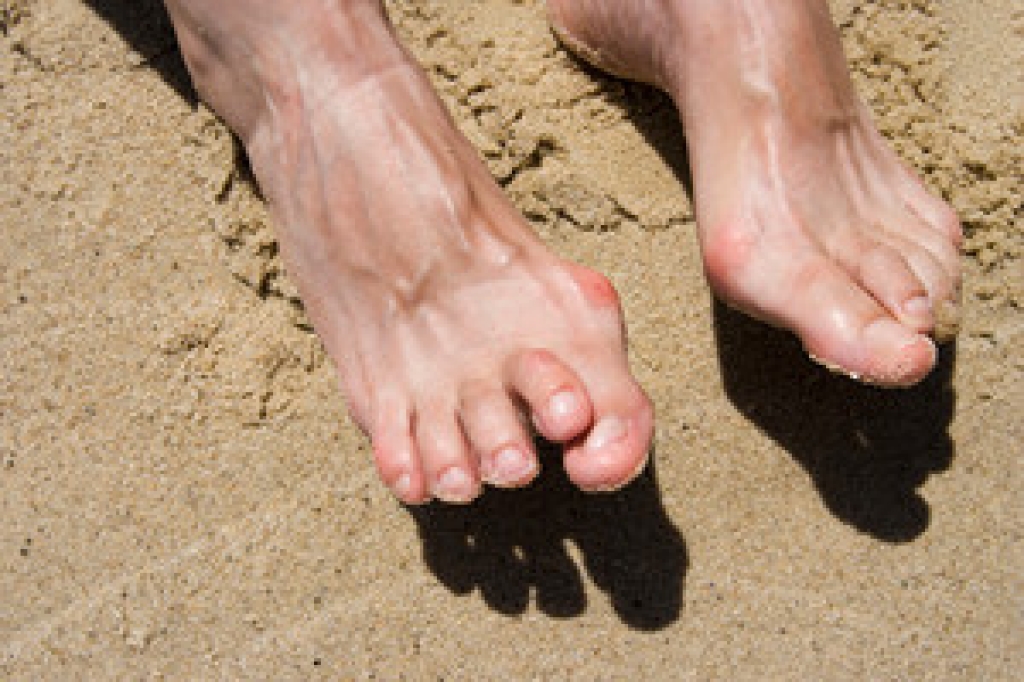
Causes and Symptoms of Foot Stress Fractures

Stress fractures in the feet are hairline cracks in the bones that result from repetitive stress or overuse. Foot stress fractures often affect the second and third metatarsal bones, which endure significant pressure during activities like running, jumping, or pushing off the foot. Causes include repetitive high-impact movements, sudden changes in activity level or training surfaces, and improper footwear that fails to provide adequate support or cushioning. Wearing ill-fitting or unsupportive shoes can increase the strain on certain parts of the foot and contribute to the risk of developing stress fractures. Low bone density, poor nutrition, previous fractures, and conditions like osteoporosis are other risk factors. Symptoms of stress fractures include localized pain that intensifies with weight-bearing and improves with rest, along with swelling and tenderness in the affected area. A podiatrist can evaluate your symptoms, perform imaging tests, and recommend treatment options to ensure proper healing and prevent complications. If foot pain is interfering with your activities, it is suggested that you make an appointment with a podiatrist to determine if you have developed stress fractures.

Stress fractures occur when there is a tiny crack within a bone. To learn more, contact one of our podiatrists from Foot & Ankle Centers of Charlotte County . Our doctors can provide the care you need to keep you pain free and on your feet.

How Are They Caused?

Stress fractures are the result of repetitive force being placed on the bone. Since the lower leg and feet often carry most of the body’s weight, stress fractures are likely to occur in these areas. If you rush into a new exercise, you are more likely to develop a stress fracture since you are starting too much, too soon.  Pain resulting from stress fractures may go unnoticed at first, however it may start to worsen over time.

Risk Factors

  • Gender – They are more commonly found in women compared to men.
  • Foot Problems – People with unusual arches in their feet are more likely to develop stress fractures.
  • Certain Sports – Dancers, gymnasts, tennis players, runners, and basketball players are more likely to develop stress fractures.
  • Lack of Nutrients – A lack of vitamin D and calcium may weaken the bones and make you more prone to stress fractures
  • Weak Bones – Osteoporosis can weaken the bones therefore resulting in stress fractures

Stress fractures do not always heal properly, so it is important that you seek help from a podiatrist if you suspect you may have one. Ignoring your stress fracture may cause it to worsen, and you may develop chronic pain as well as additional fractures.

If you have any questions please contact our offices located in Punta Gorda and Port Charlotte, FL . We offer the newest diagnostic and treatment technologies for all your foot and ankle needs.

Read more about Stress Fractures of the Foot and Ankle

Causes and Types of Surgery for Ingrown Toenails

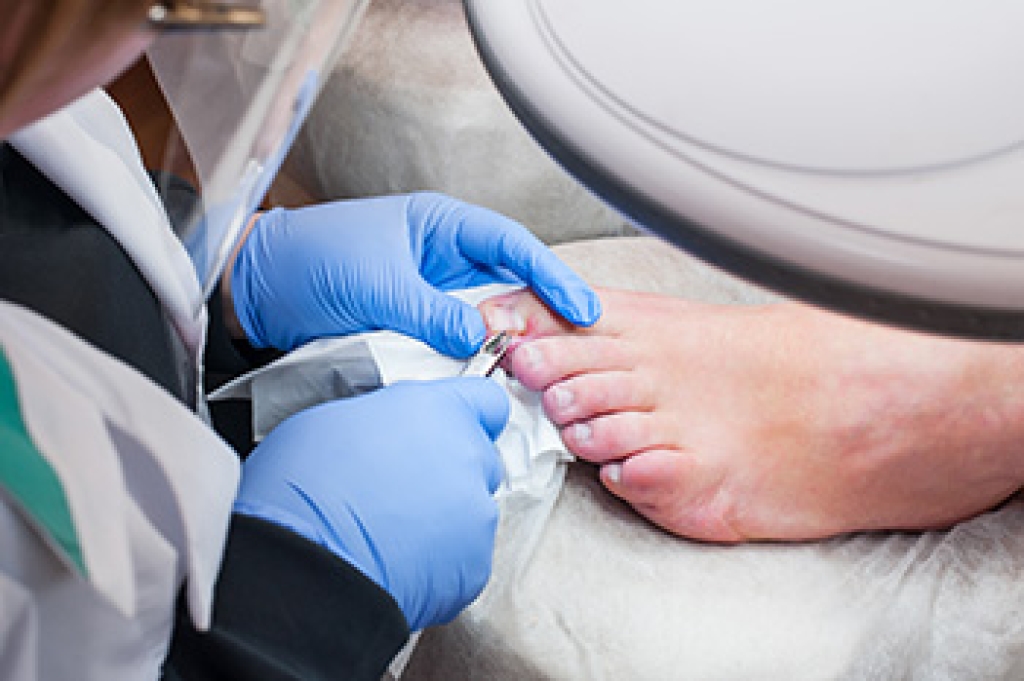
Ingrown toenails occur when the edges or corners of a toenail grow into the surrounding skin, leading to pain, swelling, and sometimes infection. Common causes of ingrown toenails include improper nail trimming, wearing tight footwear, or an inherited abnormal nail shape. In some cases, trauma or injury to the toe can also contribute to the condition. When conservative treatments, such as soaking the foot or using topical antibiotics, do not provide relief, surgery may be necessary to address the issue. There are different types of ingrown toenail surgery, with the most common being partial nail avulsion, where a portion of the nail is removed to relieve pressure and allow healing. Another procedure, known as matrixectomy, involves removing the nail root to prevent the ingrown toenail from recurring. If you have an ingrown toenail that is causing pain and discomfort, it is suggested that you consult a podiatrist who can discuss the benefits of this type of foot surgery.

Foot surgery is sometimes necessary to treat a foot ailment. To learn more, contact one of our podiatrists of Foot & Ankle Centers of Charlotte County . Our doctors will assist you with all of your foot and ankle needs.

When Is Surgery Necessary?

Foot and ankle surgery is generally reserved for cases in which less invasive, conservative procedures have failed to alleviate the problem. Some of the cases in which surgery may be necessary include:

  • Removing foot deformities like bunions and bone spurs
  • Severe arthritis that has caused bone issues
  • Cosmetic reconstruction

What Types of Surgery Are There?

The type of surgery you receive will depend on the nature of the problem you have. Some of the possible surgeries include:

  • Bunionectomy for painful bunions
  • Surgical fusion for realignment of bones
  • Neuropathy decompression surgery to treat nerve damage

Benefits of Surgery

Although surgery is usually a last resort, it can provide more complete pain relief compared to non-surgical methods and may allow you to finally resume full activity.

Surgical techniques have also become increasingly sophisticated. Techniques like endoscopic surgery allow for smaller incisions and faster recovery times.

If you have any questions, please feel free to contact our offices located in Punta Gorda and Port Charlotte, FL . We offer the newest diagnostic and treatment technologies for all your foot care needs.

Read more about Foot Surgery

It's Time for Beautiful Feet

You don't need an excuse to have beautiful nails. Step outside without worrying about the appearance of your feet.

Custom Orthotics for High Heels

Custom Orthotics help you not have to choose between style and comfort. With Custom Orthotics designed for high heels, you can walk with confidence, knowing your feet are supported. Custom Orthotics help distribute pressure evenly, reducing the risk of pain and discomfort. Whether it's a day at the office or a night on the town, make every step graceful and pain-free. Discover the magic of Custom Orthotics for high heels by calling our office today.

Understanding Hammertoe

Hammertoe is a condition where one or more toes become bent at the middle joint, resembling a hammer-like shape. It typically affects the second, third, or fourth toes. The condition develops when the muscles and tendons in the toe become imbalanced, often due to wearing tight, ill-fitting shoes, genetics, or certain foot abnormalities. The primary symptoms of hammertoe include pain or discomfort, especially when walking or wearing shoes, along with visible deformity in the toe. Calluses or corns may also develop due to abnormal pressure points. Treatment for hammertoe depends on its severity. Early stages may be managed with non-surgical options like switching to proper footwear, using toe pads, or performing stretching and strengthening exercises. In more severe cases, a podiatrist may recommend surgery to correct the deformity. This type of doctor can provide a thorough evaluation and offer a tailored treatment plan to relieve pain and prevent further deformity. If you have this condition, it is suggested that you schedule an appointment with a podiatrist.

Hammertoes can be a painful condition to live with. For more information, contact one of our podiatrists of Foot & Ankle Centers of Charlotte County . Our doctors will answer any of your foot- and ankle-related questions.

Hammertoe

Hammertoe is a foot deformity that occurs due to an imbalance in the muscles, tendons, or ligaments that normally hold the toe straight. It can be caused by the type of shoes you wear, your foot structure, trauma, and certain disease processes.

Symptoms

  • Painful and/or difficult toe movement
  • Swelling
  • Joint stiffness
  • Calluses/Corns
  • Physical deformity

Risk Factors

  • Age – The risk of hammertoe increases with age
  • Sex – Women are more likely to have hammertoe compared to men
  • Toe Length – You are more likely to develop hammertoe if your second toe is longer than your big toe
  • Certain Diseases – Arthritis and diabetes may make you more likely to develop hammertoe

Treatment

If you have hammertoe, you should change into a more comfortable shoe that provides enough room for your toes. Exercises such as picking up marbles may strengthen and stretch your toe muscles. Nevertheless, it is important to seek assistance from a podiatrist in order to determine the severity of your hammertoe and see which treatment option will work best for you.

If you have any questions, please feel free to contact our offices located in Punta Gorda and Port Charlotte, FL . We offer the newest diagnostic and treatment technologies for all your foot care needs.

Read more about What Are Hammertoes?

Connect With Us