Fall prevention is important because a sudden slip or trip can cause more than a bruise. Falls may lead to foot and ankle injuries, including sprains and tendon strains. Pain, swelling, and difficulty walking are common symptoms after an injury. Keeping walking areas clear and well lit can make a meaningful difference.
Foot problems after a fall can range from soreness to injuries requiring medical attention. A twisted ankle can stretch ligaments, while a hard landing may fracture a bone. Workers may be vulnerable when floors are wet or cluttered. Employers should provide safe, clean environments for workers and address hazards promptly. Guard rails and sturdy railing should be available near stairs, ramps, and other areas where extra support is needed.
Preventing falls starts with practical safety habits. Wear properly-fitted shoes with supportive soles and avoid slippery surfaces whenever possible. Keep walkways free from cords, boxes, and other obstacles. Use guard rails when climbing stairs and hold the railing for added stability. Workers should follow workplace safety procedures and report unsafe conditions. Regular foot care can also help people recognize pain or weakness that could affect balance. A careful approach can help prevent avoidable falls and protect healthy movement at home or work. Planning ahead can also help reduce stress and prevent rushed movements every day.
If you fall and injure your foot or ankle, a podiatrist can evaluate the injury and determine appropriate treatment. The examination may include checking swelling, tenderness, and the ability to bear weight. X-rays may be recommended when a fracture is suspected. Treatment can include immobilization or supportive footwear based on the injury. Follow-up visits help monitor healing. If you have incurred a foot or ankle injury from falling, it is suggested that you consult a podiatrist for an accurate diagnosis and appropriate treatment.
Preventing falls among the elderly is very important. If you are older and have fallen or fear that you are prone to falling, consult with one of our podiatrists from Foot & Ankle Centers of Charlotte County . Our doctors will assess your condition and provide you with quality advice and care.
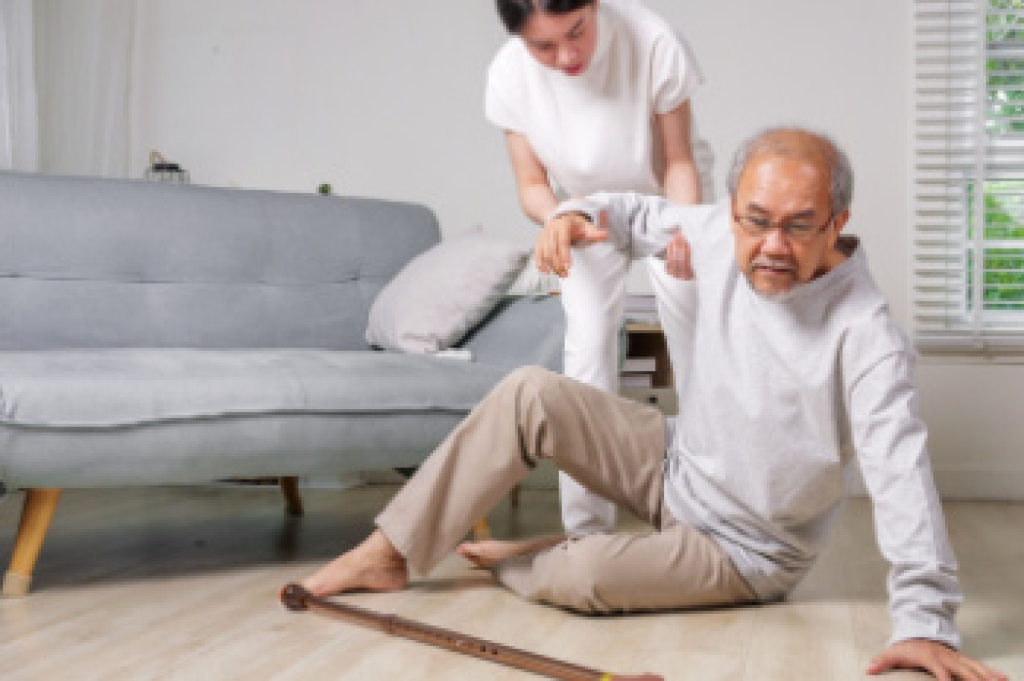
Every 11 seconds, an elderly American is being treated in an emergency room for a fall related injury. Falls are the leading cause of head and hip injuries for those 65 and older. Due to decreases in strength, balance, senses, and lack of awareness, elderly persons are very susceptible to falling. Thankfully, there are a number of things older persons can do to prevent falls.
How to Prevent Falls
Some effective methods that older persons can do to prevent falls include:
- Enrolling in strength and balance exercise program to increase balance and strength
- Periodically having your sight and hearing checked
- Discuss any medications you have with a doctor to see if it increases the risk of falling
- Clearing the house of falling hazards and installing devices like grab bars and railings
- Utilizing a walker or cane
- Wearing shoes that provide good support and cushioning
- Talking to family members about falling and increasing awareness
Falling can be a traumatic and embarrassing experience for elderly persons; this can make them less willing to leave the house, and less willing to talk to someone about their fears of falling. Doing such things, however, will increase the likelihood of tripping or losing one’s balance. Knowing the causes of falling and how to prevent them is the best way to mitigate the risk of serious injury.
If you have any questions, please feel free to contact our offices located in Punta Gorda and Port Charlotte, FL . We offer the newest diagnostic and treatment technologies for all your foot care needs.