Blog
What You Need to Know About Heel Spurs

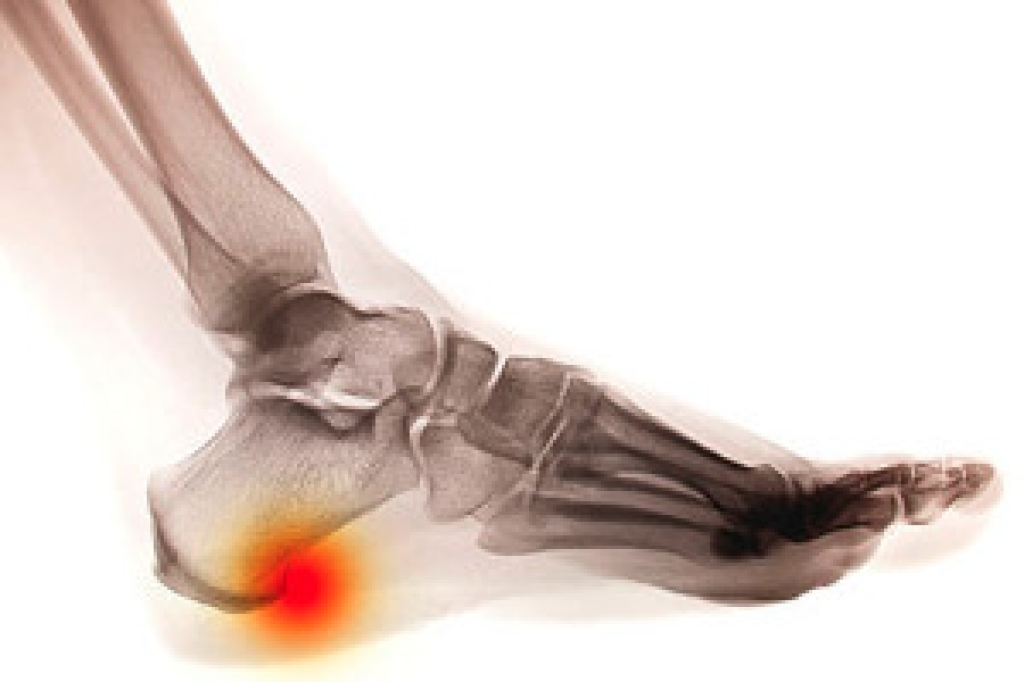
Heel spurs are bony growths that develop on the underside of the heel bone due to long-term stress and strain on the foot. They are often associated with plantar fascia irritation, where the connective tissue that supports the arch becomes inflamed. Over time, the body responds by depositing calcium, leading to the formation of a spur. While not all heel spurs cause pain, their presence can contribute to discomfort during daily movement.
Symptoms of heel spurs vary depending on severity and activity level. Many individuals describe a sharp, stabbing pain in the heel, especially with the first steps in the morning. Others report a dull ache that worsens after prolonged standing or walking. Swelling, tenderness, and localized inflammation may also be present. Risk factors include repetitive impact, poor foot mechanics, and wearing unsupportive footwear. Individuals who spend long hours on their feet are more likely to experience these symptoms.
The causes of heel spurs are typically linked to repetitive stress and strain. Activities such as running, walking on hard surfaces, or standing for extended periods of time can place continuous pressure on the heel. Wearing improper footwear that lacks arch support can increase tension on the plantar fascia. Additional risk factors include excess body weight, tight calf muscles, and flat feet or high arches. These conditions place extra stress on the heel and contribute to spur formation.
The key takeaway is that heel spurs develop over time due to repeated strain, but early care can reduce pain and prevent progression. Wearing supportive shoes, stretching, and activity modification play a major role in managing symptoms. Recognizing the warning signs allows for timely intervention and better outcomes. Heel pain is uncomfortable, and may affect daily activities. If this applies to you, it is suggested that you consult a podiatrist who can accurately diagnose and treat heel spurs.
Heel spurs can be incredibly painful and sometimes may make you unable to participate in physical activities. To get medical care for your heel spurs, contact one of our podiatrists from Foot & Ankle Centers of Charlotte County . Our doctors will do everything possible to treat your condition.
Heels Spurs
Heel spurs are formed by calcium deposits on the back of the foot where the heel is. This can also be caused by small fragments of bone breaking off one section of the foot, attaching onto the back of the foot. Heel spurs can also be bone growth on the back of the foot and may grow in the direction of the arch of the foot.
Older individuals usually suffer from heel spurs and pain sometimes intensifies with age. One of the main condition's spurs are related to is plantar fasciitis.
Pain
The pain associated with spurs is often because of weight placed on the feet. When someone is walking, their entire weight is concentrated on the feet. Bone spurs then have the tendency to affect other bones and tissues around the foot. As the pain continues, the feet will become tender and sensitive over time.
Treatments
There are many ways to treat heel spurs. If one is suffering from heel spurs in conjunction with pain, there are several methods for healing. Medication, surgery, and herbal care are some options.
If you have any questions, please feel free to contact our offices located in Punta Gorda and Port Charlotte, FL . We offer the newest diagnostic and treatment technologies for all your foot care needs.
Foot Wound Care and Why Early Treatment Matters

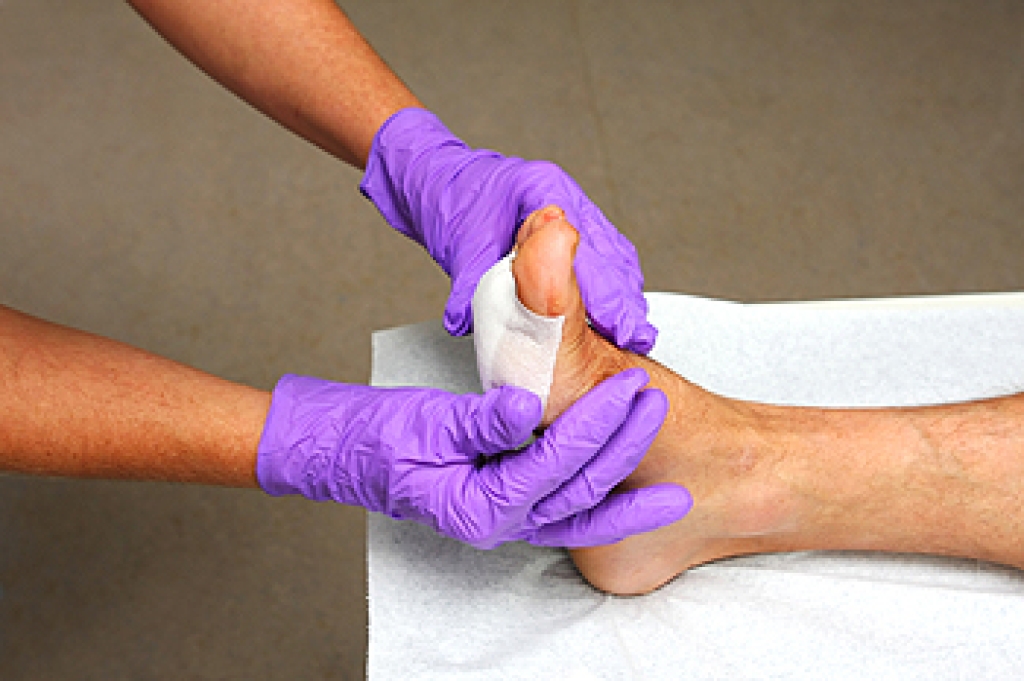
Foot wounds should never be ignored, because even a small injury can become a serious problem if it does not heal properly. A foot wound may include a cut, blister, skin tear, or sore that affects the skin and underlying tissue. These wounds can develop from pressure, friction, injury, or another foot condition. People with diabetes, poor circulation, or reduced feeling in their feet have a greater risk because they may not notice an injury right away. Common warning signs include redness, swelling, and drainage. If left untreated, a wound may become infected or take much longer to heal. Receiving prompt professional foot wound care can help reduce the risk of complications and support healthy healing.
A podiatrist carefully evaluates the wound to determine its size, depth, and overall condition before creating a personalized treatment plan. They also check for signs of infection or poor circulation that could slow the healing process. Treatment may include removing damaged tissue, applying specialized dressings, and reducing pressure on the affected area. Follow-up visits allow the podiatrist to monitor healing and adjust treatment when needed. Professional wound care is especially important for people with diabetes and others who have a higher risk of delayed healing or infection.
Early treatment gives foot wounds the best chance to heal while helping prevent more serious complications. Delaying care may allow the wound to worsen. This increases the risk of infection and damage to surrounding tissue. Regular evaluations by a podiatrist support healing and help protect long-term foot health. Whether a wound is minor or more advanced, professional care provides the treatment and monitoring needed for recovery. If you have a foot wound or notice signs of infection, it is suggested that you consult a podiatrist for an evaluation and appropriate treatment options.
Wound care is an important part in dealing with diabetes. If you have diabetes and a foot wound or would like more information about wound care for diabetics, consult with one of our podiatrists from Foot & Ankle Centers of Charlotte County . Our doctors will assess your condition and provide you with quality foot and ankle treatment.
What Is Wound Care?
Wound care is the practice of taking proper care of a wound. This can range from the smallest to the largest of wounds. While everyone can benefit from proper wound care, it is much more important for diabetics. Diabetics often suffer from poor blood circulation which causes wounds to heal much slower than they would in a non-diabetic.
What Is the Importance of Wound Care?
While it may not seem apparent with small ulcers on the foot, for diabetics, any size ulcer can become infected. Diabetics often also suffer from neuropathy, or nerve loss. This means they might not even feel when they have an ulcer on their foot. If the wound becomes severely infected, amputation may be necessary. Therefore, it is of the upmost importance to properly care for any and all foot wounds.
How to Care for Wounds
The best way to care for foot wounds is to prevent them. For diabetics, this means daily inspections of the feet for any signs of abnormalities or ulcers. It is also recommended to see a podiatrist several times a year for a foot inspection. If you do have an ulcer, run the wound under water to clear dirt from the wound; then apply antibiotic ointment to the wound and cover with a bandage. Bandages should be changed daily and keeping pressure off the wound is smart. It is advised to see a podiatrist, who can keep an eye on it.
If you have any questions please contact our offices located in Punta Gorda and Port Charlotte, FL . We offer the newest diagnostic and treatment technologies for all your foot and ankle needs.