Possible Causes of Swollen Feet

Swollen feet can be uncomfortable and concerning, often signaling an underlying issue. One common cause is prolonged standing or sitting, which leads to fluid accumulation in the feet due to gravity. This is often seen in people with sedentary jobs or those who travel long distances. Another possibility is injury. Sprains, fractures, or other injuries to the foot or ankle can cause swelling as the body responds with inflammation to protect the area. This type of swelling is usually accompanied by pain and bruising. Additionally, medical conditions such as heart disease, kidney disease, or venous insufficiency can lead to swollen feet. These issues affect the body's ability to circulate and balance fluids properly, resulting in fluid retention in the lower extremities. If your feet are persistently swollen or if swelling is accompanied by other symptoms, it is suggested that you visit a podiatrist for a proper diagnosis and treatment plan as quickly as possible.

Swollen feet can be a sign of an underlying condition. If you have any concerns, contact one of our podiatrists of Foot & Ankle Centers of Charlotte County . Our doctors can provide the care you need to keep you pain-free and on your feet.

Swollen feet are a common ailment among pregnant women and people who stand or sit for extended periods. Aging may increase the possibility of swollen feet and patients who are obese often notice when their feet are swelling too. There may be medical reasons why swollen feet occur:

  • Phlebitis - A condition that causes the veins to become inflamed and can also cause leg pain.
  • Liver disease - This may lead to low blood levels of albumin which is a protein. This can cause fluid in the blood to pass into the tissues and several areas of the body can become swollen.
  • Heart failure - When the heart doesn’t pump properly the blood that is normally pumped back to the heart can pool in the veins of the legs causing swollen feet.
  • Kidney disease - One of the main functions of the kidneys is releasing excess fluid in the body. This type of condition can make it difficult for the kidneys to function properly, and as a result the feet may become swollen.
  • Deep-vein thrombosis (DVT)- This is a serious condition where blood clots form in the veins of the legs. They can block the return of blood from the legs to the heart which may cause the feet to swell. It is important to be treated by a podiatrist if this condition is present.

Swollen feet can also be caused by bone and tendon conditions, including fractures, arthritis, and tendinitis. Additionally, there may be skin and toenail conditions and an infection may cause the feet to swell. Patients who take medicine to treat high blood pressure may be prone to getting swollen feet. 

Many patients elevate their feet to help relieve the swelling and this is generally a temporary remedy. When a podiatrist is consulted the reason behind the swelling can be uncovered and subsequently treated.

If you have any questions please contact our offices located in Punta Gorda and Port Charlotte, FL . We offer the newest diagnostic and treatment technologies for all your foot and ankle needs.


Read more about Swelling of the Feet

Custom Orthotics Seasonal - Any Season

Rain or shine, snow or sleet, Custom Orthotics have your feet covered! As the seasons change, ensure your steps remain comfortable and supported. Custom Orthotics adapt to your footwear, from summer sandals to winter boots, providing consistent relief and alignment. Don't let the changing weather dictate your foot comfort. Step confidently year-round and experience the difference with Custom Orthotics. Call today for more information.

Children’s Foot Alignment Deformities

Pediatric foot alignment deformities are structural abnormalities in a child’s foot that can affect gait and overall mobility. Common deformities include clubfoot, skew foot, and cavovarus. Clubfoot, where the foot twists inward and downward, can be present at birth and may result from genetic factors or in-utero positioning. Skew foot involves a combination of forefoot adduction and hindfoot valgus, leading to a Z-shaped appearance. Cavovarus foot, characterized by a high arch and inward heel, often results from neuromuscular conditions or inherited foot structure. These deformities can affect children of all ages, with risk factors including family history, neurological disorders, and abnormal fetal positioning. Diagnosis typically involves a thorough physical examination, medical history review, and imaging studies such as X-rays or MRI. Treatment varies based on the type and severity of the deformity and may include stretching exercises, orthotic devices, casting, or surgery. Early intervention is imperative for effective management. If your child has a foot alignment deformity, it is suggested that you schedule an appointment with a podiatrist as quickly as possible for an accurate diagnosis and treatment plan. 
Congenital foot problems require immediate attention to avoid future complications. If you have any concerns, contact one of our podiatrists of Foot & Ankle Centers of Charlotte County . Our doctors can provide the care you need to keep you pain-free and on your feet.

Congenital foot problems are deformities affecting the feet, toes, and/or ankles that children are born with. Some of these conditions have a genetic cause while others just happen. Some specific foot ailments that children may be born with include clubfeet, polydactyly/macrodactyly, and cleft foot. There are several other foot anomalies that can occur congenitally. What all of these conditions have in common is that a child may experience difficulty walking or performing everyday activities, as well as trouble finding footwear that fits their foot deformity. Some of these conditions are more serious than others. Consulting with a podiatrist as early as possible will help in properly diagnosing a child’s foot condition while getting the necessary treatment underway.

What are Causes of Congenital Foot Problem?

A congenital foot problem is one that happens to a child at birth. These conditions can be caused by a genetic predisposition, developmental or positional abnormalities during gestation, or with no known cause.

What are Symptoms of Congenital Foot Problems?

Symptoms vary by the congenital condition. Symptoms may consist of the following:

  • Clubfoot, where tendons are shortened, bones are shaped differently, and the Achilles tendon is tight, causing the foot to point in and down. It is also possible for the soles of the feet to face each other.
  • Polydactyly, which usually consists of a nubbin or small lump of tissue without a bone, a toe that is partially formed but has no joints, or an extra toe.
  • Vertical talus, where the talus bone forms in the wrong position causing other bones in the foot to line up improperly, the front of the foot to point up, and the bottom of the foot to stiffen, with no arch, and to curve out.
  • Tarsal coalition, when there is an abnormal connection of two or more bones in the foot leading to severe, rigid flatfoot.
  • Cleft foot, where there are missing toes, a V-shaped cleft, and other anatomical differences.
  • Macrodactyly, when the toes are abnormally large due to overgrowth of the underlying bone or soft tissue.

Treatment and Prevention

While there is nothing one can do to prevent congenital foot problems, raising awareness and receiving neonatal screenings are important. Early detection by taking your child to a podiatrist leads to the best outcome possible.

If you have any questions, please feel free to contact our offices located in Punta Gorda and Port Charlotte, FL . We offer the newest diagnostic and treatment technologies for all your foot care needs.

Read more about Congenital Foot Problems

Custom-Made Orthotics Are Tailored Solutions for Foot Ailments

Custom-made orthotics represent precision-crafted foot supports uniquely designed to cater to individual needs. These specialized inserts are meticulously fashioned to address a variety of foot ailments and abnormalities. From flat feet to high arches, custom orthotics provide targeted support, redistributing pressure and correcting imbalances to alleviate pain and enhance comfort. They serve as indispensable allies in the treatment of conditions, such as plantar fasciitis, bunions, and Achilles tendonitis, offering relief from debilitating symptoms and fostering improved mobility. Beyond mere symptom management, custom orthotics play a proactive role in preventing injuries and slowing the progression of chronic foot conditions. By promoting proper alignment and supporting optimal biomechanics, they empower individuals to regain control over their foot health and lead active, pain-free lifestyles. A podiatrist is the type of doctor who can prescribe custom-made orthotics. If you have foot pain, it is strongly suggested that you consult this type of healthcare professional who can determine the cause and discuss whether custom-made orthotics are right for you.

Custom orthotics are specialized shoe inserts created to support and align the feet according to each person’s unique structure and walking pattern. They are an effective way to relieve foot discomfort caused by conditions such as flat feet, high arches, plantar fasciitis, bunions, and heel pain. When the natural alignment of the foot is off balance, it can lead to pressure points, strain, and pain that affect how a person stands, walks, and moves. Orthotics work by redistributing weight evenly and supporting the arch to reduce stress on the muscles, tendons, and joints of the feet and lower legs.

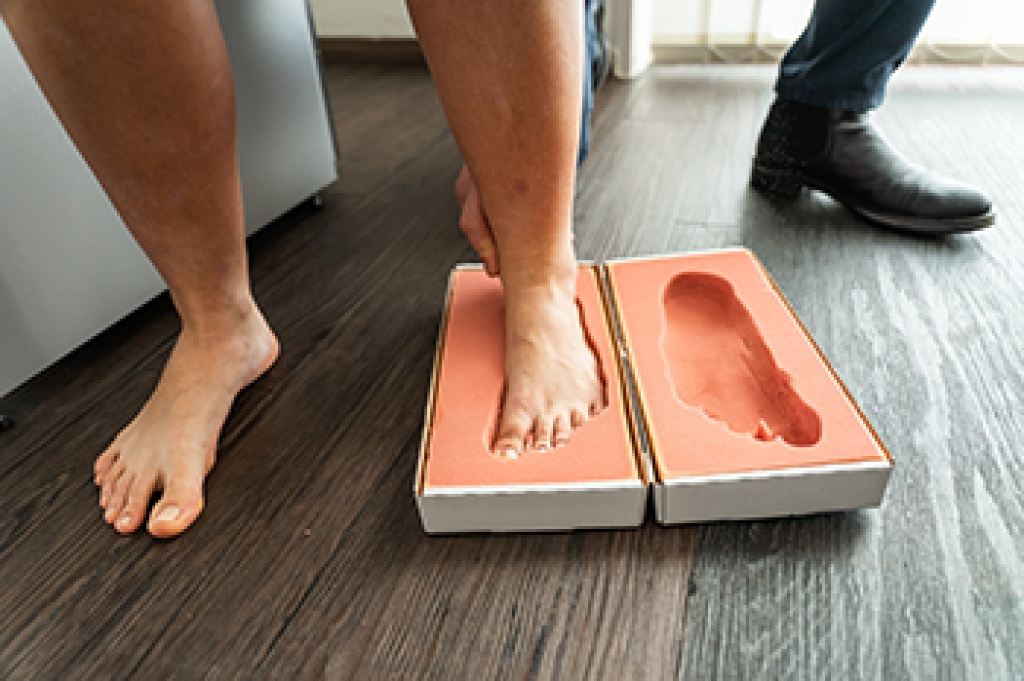
Foot discomfort can develop for many reasons, including wearing improper footwear, long hours of standing, repetitive motion, or underlying structural problems. Over time, this discomfort can extend beyond the feet, contributing to knee, hip, or lower back pain. Custom orthotics help correct these issues by improving alignment and promoting more efficient movement. They are made using precise measurements and imaging to ensure the best fit for each patient, providing targeted support and cushioning where it is needed most.

Unlike generic insoles, custom orthotics are durable, medically designed, and tailored to your specific needs. Whether you are managing chronic pain, recovering from an injury, or simply seeking better comfort and stability, orthotics can make a noticeable difference in how your feet feel throughout the day.

If you are experiencing persistent foot discomfort or fatigue, it may be time to have your feet evaluated by a podiatrist. Call our office today for more information or to schedule an appointment.

If you have any questions, please feel free to contact our offices located in Punta Gorda and Port Charlotte, FL

Read more about Investing in Custom Orthotics Means Investing in Foot Health

Connect With Us