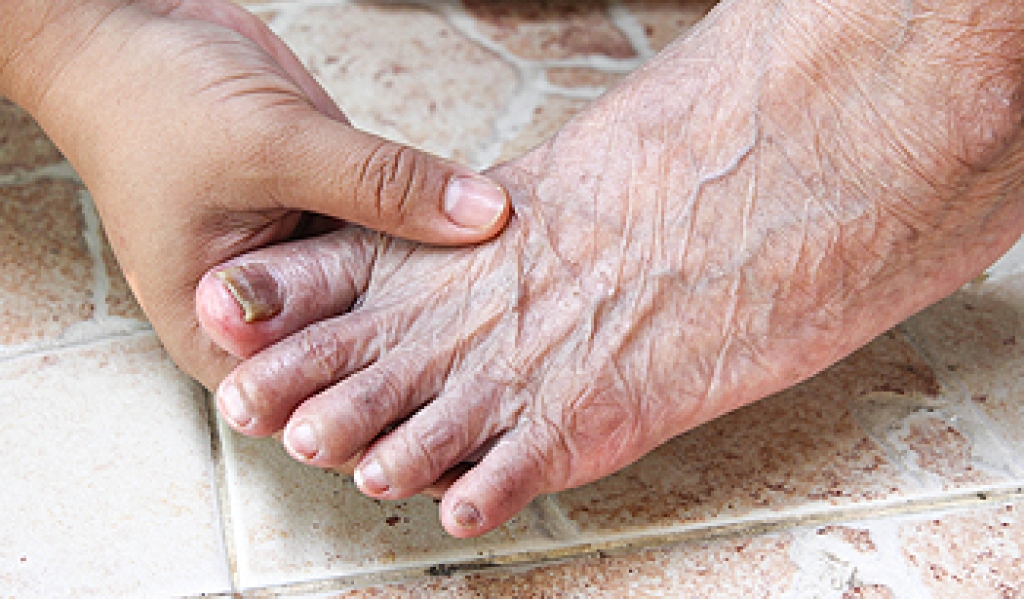
How Feet Change With Age

As people grow older, the feet naturally undergo changes that may increase the risk of discomfort and foot-related conditions. The supportive tissues of the feet may gradually lose elasticity and cushioning, which can lead to increased pressure on joints and bones. These changes may make older people more susceptible to foot pain and mobility concerns. Common foot problems associated with aging include arthritis, bunions, plantar fasciitis, and hammertoes. Symptoms may involve stiffness, swelling, reduced flexibility, and discomfort while walking or standing. A podiatrist can evaluate foot structure, diagnose underlying conditions, and recommend personalized treatment, such as supportive footwear guidance, custom orthotic devices, and targeted care. If you are elderly and have developed foot pain, it is suggested that you consult a podiatrist who can offer effective relief and prevention tips.

Proper foot care is something many older adults forget to consider. If you have any concerns about your feet and ankles, contact one of our podiatrists from Foot & Ankle Centers of Charlotte County . Our doctors can provide the care you need to keep you pain-free and on your feet.

The Elderly and Their Feet

As we age we start to notice many changes in our body, but the elder population may not notice them right away. Medical conditions may prevent the elderly to take notice of their foot health right away. Poor vision is a lead contributor to not taking action for the elderly.

Common Conditions 

  • Neuropathy – can reduce feeling in the feet and can hide many life-threatening medical conditions.
  • Reduced flexibility – prevents the ability of proper toenail trimming, and foot cleaning. If left untreated, it may lead to further medical issues.
  • Foot sores – amongst the older population can be serious before they are discovered. Some of the problematic conditions they may face are:
  • Gouging toenails affecting nearby toe
  • Shoes that don’t fit properly
  • Pressure sores
  • Loss of circulation in legs & feet
  • Edema & swelling of feet and ankles

Susceptible Infections

Diabetes and poor circulation can cause general loss of sensitivity over the years, turning a simple cut into a serious issue.

If you have any questions, please feel free to contact our offices located in Punta Gorda and Port Charlotte, FL . We offer the newest diagnostic and treatment technologies for all your foot care needs.
Read more about Elderly and their Feet

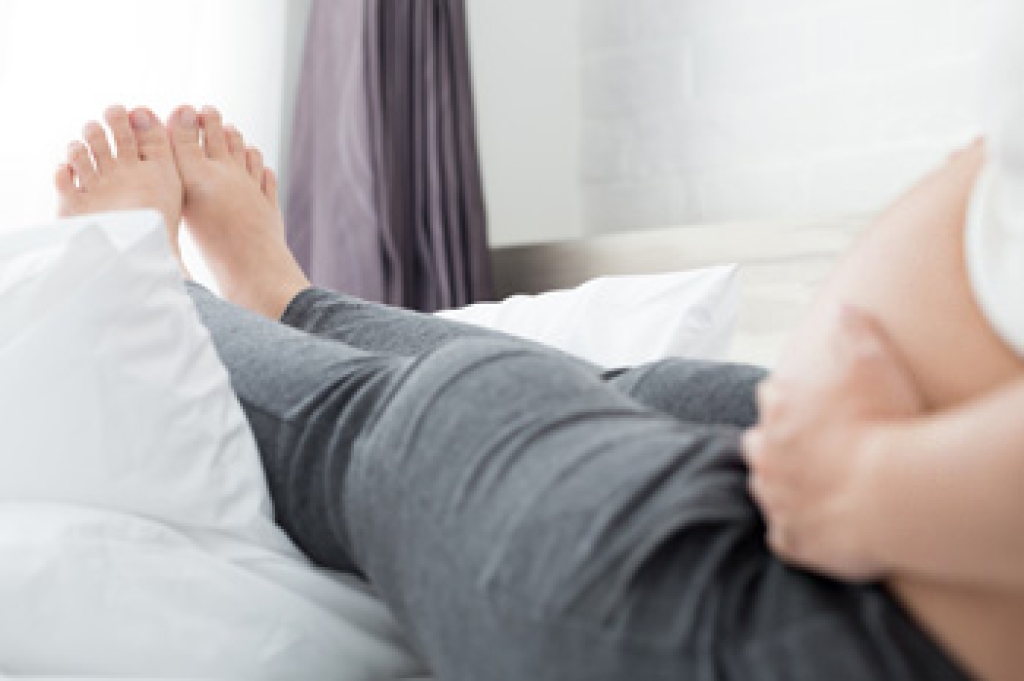
Ways Pregnancy Affects the Feet

Pregnancy can cause several changes in the feet and ankles as the body adapts to support a growing baby. As weight increases, more pressure is placed on the feet, which may lead to pain, fatigue, and difficulty walking for long periods. Hormones released during pregnancy also loosen ligaments, the strong bands of tissue that connect bones. This loosening can cause the arches of the feet to flatten, making the feet appear longer or wider. Some women notice swelling in the feet and ankles because pregnancy can slow blood flow from the lower limbs back to the heart. Changes in posture may also occur as the body shifts its balance forward, placing added stress on the feet and ankles. These changes often become more noticeable in the later stages of pregnancy. A podiatrist can evaluate any structural changes, identify the cause of discomfort, and provide treatment to support foot health during pregnancy. If you have foot or ankle pain during pregnancy, it is suggested that you make an appointment with a podiatrist for an exam, diagnosis, and treatment.

Pregnant women with swollen feet can be treated with a variety of different methods that are readily available. For more information about other cures for swollen feet during pregnancy, consult with one of our podiatrists from Foot & Ankle Centers of Charlotte County . Our doctors will attend to all of your foot and ankle needs.

What Foot Problems Can Arise During Pregnancy?

One problem that can occur is overpronation, which occurs when the arch of the foot flattens and tends to roll inward.  This can cause pain and discomfort in your heels while you’re walking or even just standing up, trying to support your baby.  

Another problem is edema, or swelling in the extremities. This often affects the feet during pregnancy but tends to occur in the later stages. 

How Can I Keep My Feet Healthy During Pregnancy?

  • Wearing orthotics can provide extra support for the feet and help distribute weight evenly
  • Minimize the amount of time spent walking barefoot
  • Wear shoes with good arch support
  • Wear shoes that allow for good circulation to the feet
  • Elevate feet if you experience swelling
  • Massage your feet
  • Get regular, light exercise, such as walking, to promote blood circulation to the feet

If you have any questions, please feel free to contact our offices located in Punta Gorda and Port Charlotte, FL . We offer the newest diagnostic and treatment technologies for all your foot care needs.

Read more about Foot Care for Pregnant Women

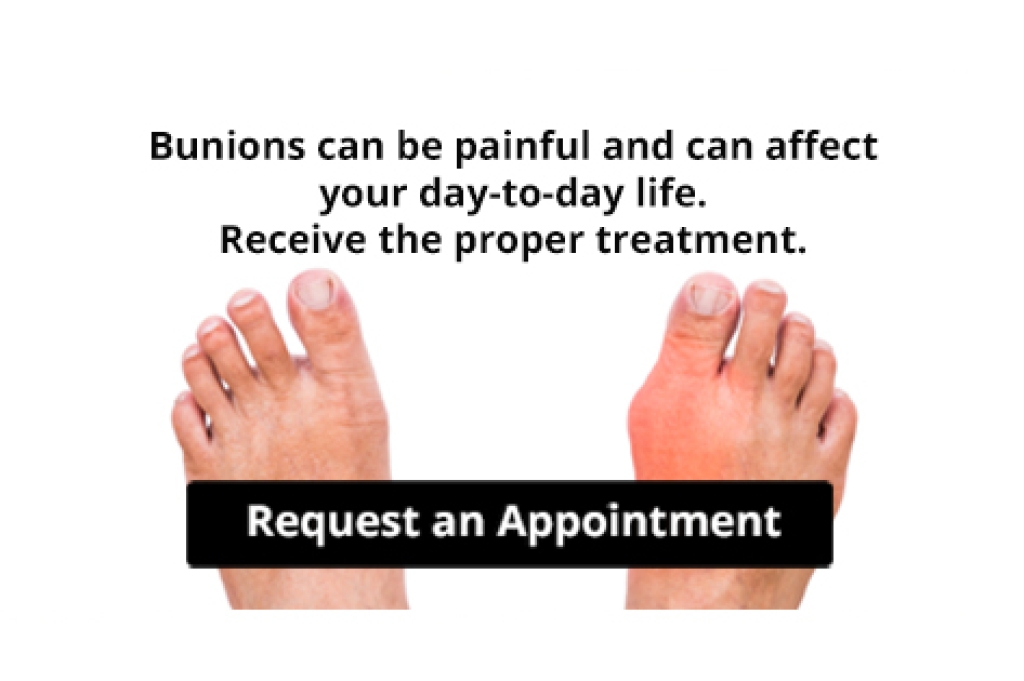
Are Bunions Affecting Your Everyday Life?

Have you noticed a bony protrusion on the side of your big toe? If so, you may have developed the foot condition known as a bunion. Don't let bunions interfere with your daily activities.

Why Wearing the Right Work Shoes Protects Your Foot Health

Wearing the right work shoes plays an important role in protecting foot health and maintaining proper support during long hours of standing or walking. Shoes that fit well and provide strong arch support help maintain proper foot alignment and reduce pressure-related stress on joints and soft tissues. Poorly fitting footwear can contribute to the development of painful conditions such as bunions, hammertoes, and plantar fasciitis. Wearing supportive work shoes also helps reduce pressure spots that may lead to irritation, fatigue, and long-term foot problems. A podiatrist can evaluate foot structure, recommend supportive footwear, and provide custom orthotic devices to improve comfort and alignment. If you have ongoing foot discomfort at work, it is suggested that you consult a podiatrist who can treat various foot and ankle conditions, and guide you on the right shoes to wear for your workday.

While working on the feet, it is important to take the proper care of them. For more information about working on your feet, contact one of our podiatrists from Foot & Ankle Centers of Charlotte County . Our doctors will treat your foot and ankle needs.

Working on Your Feet

Standing on your feet for long periods of time can cause stress and pain in your feet. Your whole body may experience change in terms of posture, back pain, bunions, callouses and or plantar warts. There are ways to avoid these conditions with proper foot care, smart choices and correct posture.

Positive Changes

Negative heeled shoe – Choosing this shoe type places the heel slightly lower than the ball of the foot. These are great for overall foot health. Find shoes that fit you correctly.

Go barefoot – Our feet were not designed to be enclosed for all hours of the day. Try to periodically expose your feet to air.

Eliminate Pain

Foot Exercises – Performing simple exercises, incorporating yoga and doing stretches are beneficial. This will allow increased blood flow to the area and muscles of the foot.

Achilles tendon – Stretching the foot out flat on the floor will relax the calf muscles and tendon. These exercises can be performed almost anywhere. Make sure you add these exercises to your daily regimen. 

With a little bit of this information and knowing more about foot health, you will notice changes. Foot stretches and proper footwear will help with pain and prevent further issues.

If you have any questions please contact our offices located in Punta Gorda and Port Charlotte, FL . We offer the newest diagnostic and treatment technologies for all your foot and ankle needs.

Read more about Working on Your Feet

Bunions and Running

Running can place repeated pressure on the big toe joint, which is especially challenging for people with bunions. A bunion is a bony bump that forms at the base of the big toe where it connects to the foot. As the big toe shifts inward, the joint becomes enlarged, irritated, and painful during push-off. Standard running shoes with a narrow toe box can increase friction and crowd the toes, worsening discomfort and joint stress. In contrast, running shoes designed for people with bunions often have a wider toe box to reduce rubbing, softer or stretchable upper materials to decrease pressure, and strong arch support to help distribute body weight more evenly across the foot. Proper cushioning can limit strain on the front of the foot. A podiatrist can assess foot structure and recommend appropriate footwear or custom orthotics to improve alignment and reduce pain. If you have foot or ankle pain after running, it is suggested that you schedule an appointment with a podiatrist for an exam, diagnosis, and appropriate treatment.

If you are suffering from bunions, contact one of our podiatrists of Foot & Ankle Centers of Charlotte County . Our doctors can provide the care you need to keep you pain-free and on your feet.

What Is a Bunion?

A bunion is formed of swollen tissue or an enlargement of boney growth, usually located at the base joint of the toe that connects to the foot. The swelling occurs due to the bones in the big toe shifting inward, which impacts the other toes of the foot. This causes the area around the base of the big toe to become inflamed and painful.

Why Do Bunions Form?

Genetics – Susceptibility to bunions are often hereditary

Stress on the feet – Poorly fitted and uncomfortable footwear that places stress on feet, such as heels, can worsen existing bunions

How Are Bunions Diagnosed?

Podiatrists often perform two tests – blood tests and x-rays – when trying to diagnose bunions, especially in the early stages of development. Blood tests help determine if the foot pain is being caused by something else, such as arthritis, while x-rays provide a clear picture of your bone structure to your provider.

How Are Bunions Treated?

  • Refrain from wearing heels or similar shoes that cause discomfort
  • Select wider shoes that can provide more comfort and reduce pain
  • Anti-inflammatory and pain management drugs
  • Orthotics or foot inserts
  • Surgery

If you have any questions, please feel free to contact our offices located in Punta Gorda and Port Charlotte, FL . We offer the newest diagnostic and treatment technologies for all your foot care needs.

Read more about What Are Bunions?

Connect With Us